Rotating Machines
Rotating machines are often the most production-critical assets in your network, so when they fail your operations grind to a halt.
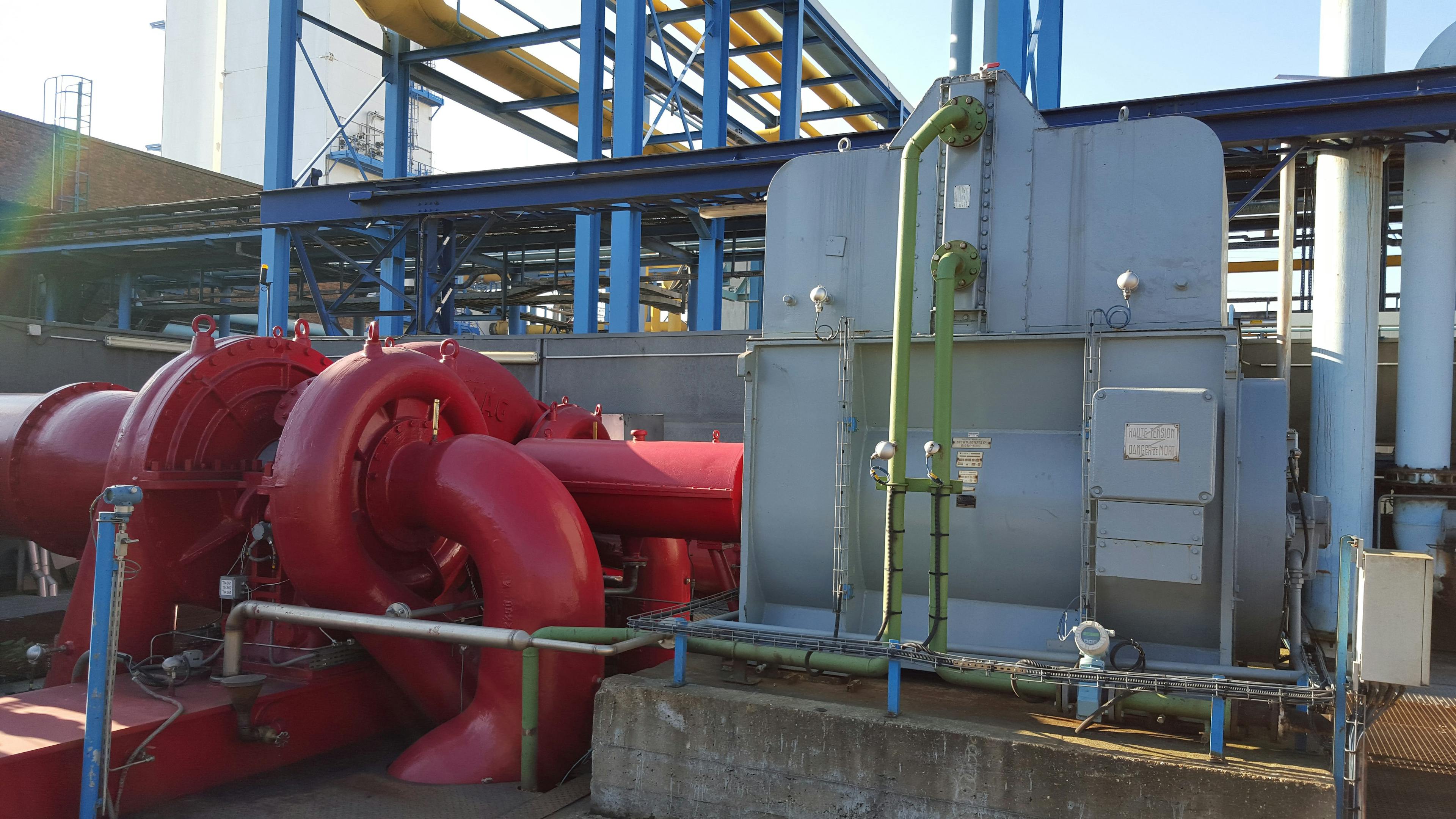

The design of a rotating machine plays a fundamental role in determining the lifetime of this critical asset. Rotating machine designs include synchronous motors, synchronous generators, and induction motors, including both squirrel cage and slip ring rotor designs.
An electric machine contains several key components that are susceptible to failure:
Electric machine designs also vary depending on power output and operating voltage. Monitra’s technology is typically most applicable to HV motors with form-wound stator windings (including Roebel bars) operating at voltages of 4 kV and above. Note that VSD-fed machines and other specialised machine designs can generate PD activity at lower nominal voltages.
Studies from IEEE and EPRI have demonstrated failure statistics associated with the major HV motor components. Monitra’s on-line PD and MCSA technologies can assist in identifying faults associated with terminal boxes, stator windings, and squirrel cage rotors.
There are accepted standards that help determine acceptance criteria for the machine. Standards including but not limited to IEC 60034-27 , IEC 60270 , IEEE 286 , IEEE 4.

A fundamental factor that determines asset longevity is insulation ageing overs its lifetime. Insulation ageing or degradation is accelerated by temperature and electrical stress.
Within epoxy mica insulation systems, degradation mechanisms can lead to gaseous by-products, void formation, and eventual delamination at the interface between the conductor and insulation tapes. Loss of solid insulating material can reduce structural integrity, particularly within the slot region of the stator winding.
The ageing process is strongly influenced by winding temperature. A commonly used engineering rule of thumb derived from Arrhenius ageing behaviour suggests that reducing winding temperature by approximately 10°C can significantly extend insulation lifetime.
Operating temperatures are influenced by:
While process load is often dictated by operational requirements, meaningful improvements in reliability and lifetime can still be achieved by maintaining machine efficiency, ensuring balanced impedances within the three-phase system, maintaining correct rotor alignment, and minimising stator core defects.

Another major factor influencing rotating machine lifetime is the way the machine is operated. Operational stresses can broadly be divided into transient and steady-state stresses, both of which directly affect machine lifetime.
In practice, the eventual failure of an asset is often associated with a transient event acting upon insulation or mechanical systems already weakened by long-term ageing mechanisms.
The effect of transient stresses can be simplified by considering the number of start-stop cycles experienced by a machine. During startup of a direct-on-line (DOL) induction motor, inrush currents can be approximately six times greater than normal operating currents.
Electromagnetic forces are proportional to the square of the current:
F ∝ I²
Therefore, transient electromagnetic force stresses during startup can be significantly greater than during steady-state operation. These forces can contribute to cracked rotor bars within squirrel cage rotors, leading to reduced efficiency and increased steady-state stress.
Monitra’s MCSA technology can assist in identifying cracked rotor bars in such situations.
Copper losses are also proportional to the square of the current:
P = I²R
Consequently, thermal stresses during startup can be substantially greater than under normal operating conditions in a DOL starting scenario.
Different materials within the machine expand at different rates under thermal stress, creating mechanical forces that may contribute to long-term degradation over repeated operating cycles.

Condition assessment techniques for rotating machines stators can be classed as:
Both approaches provide valuable information which is complementary to give a full picture of asset health.
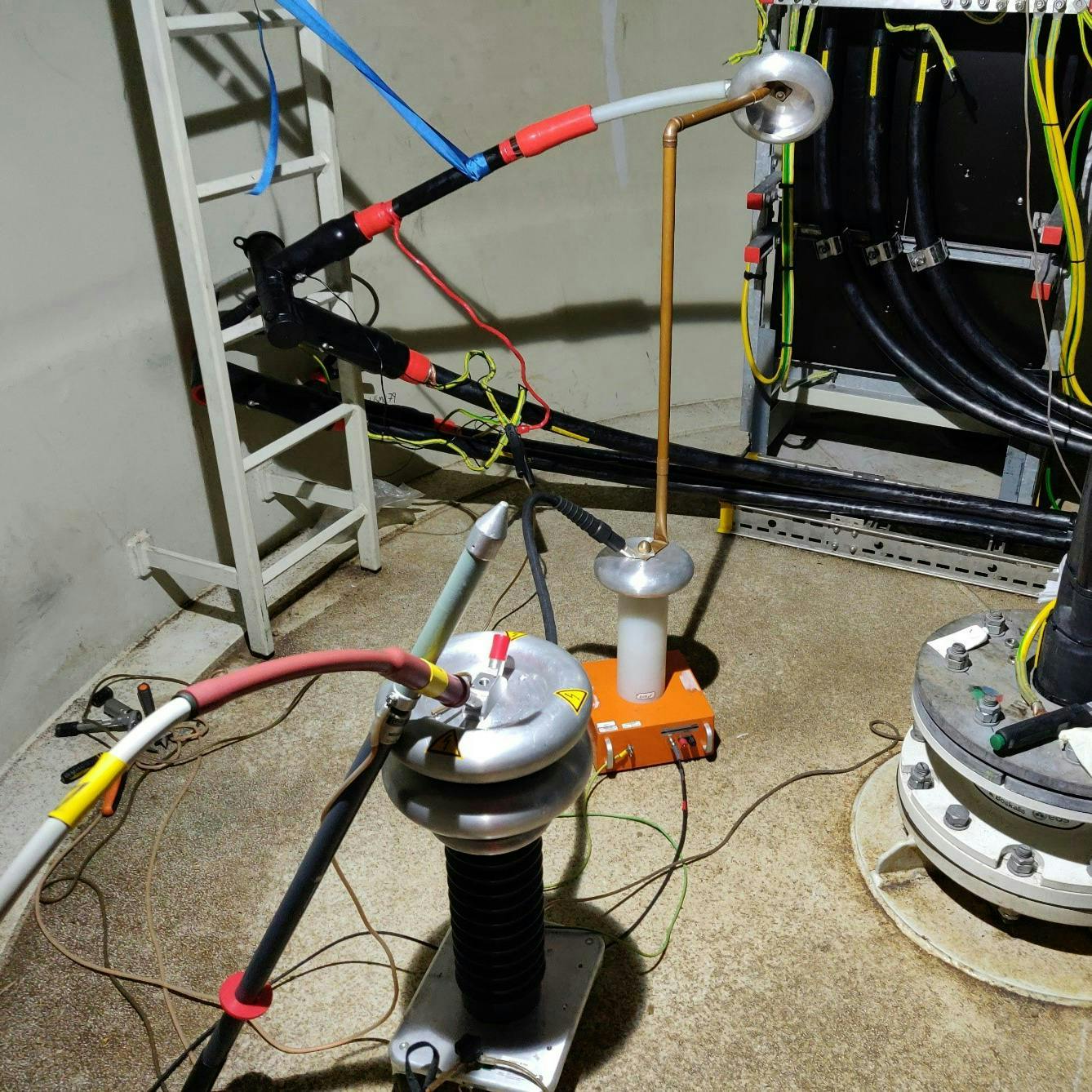
Here, an asset can be removed from service and subjected to offline testing to assess its condition. Simple DC tests such as winding resistance can characterize the bulk insulation properties of the stator. Further insights can be given through Tan-Delta measurements. Here, a single-phase supply is used for assessing subtle defects in the bulk insulation such as water ingress. Note that the currents flowing during are relatively small compared to operational three-phase load currents. PD measurements can be made in addition to Tan-Delta testing which is useful to quantify the weakest points in the insulation system rather than average bulk insulation condition. Note that during offline Tan-Delta / PD testing, the entire winding may be energised to line voltage, meaning that voltage stresses at the neutral end of the winding can influence PD and tan delta measurements in a manner not fully representative of operational conditions.
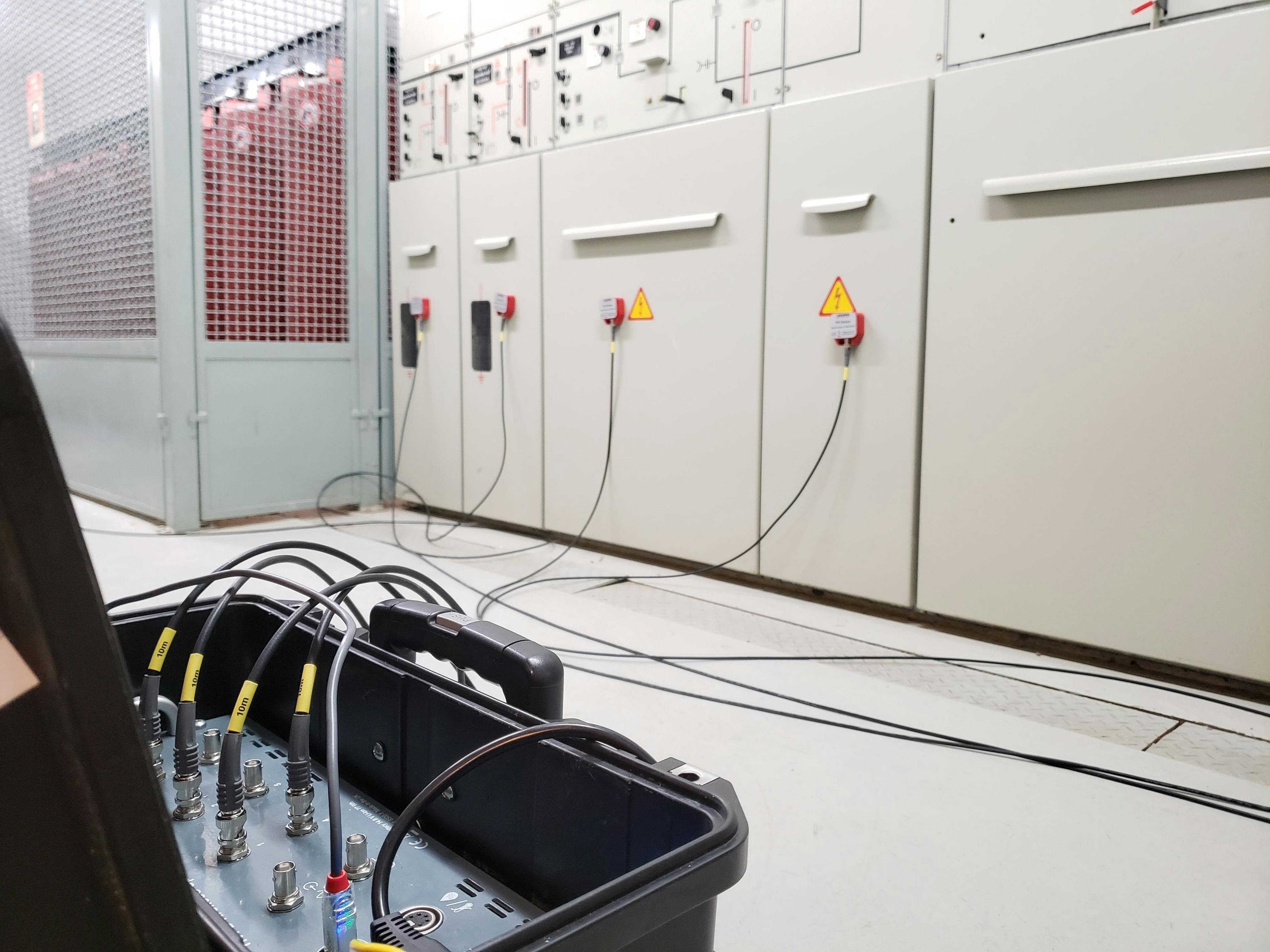
On-line PD identifies the likely region and nature of insulation degradation within the stator winding. Severity assessment and trending can assist in directing maintenance activities based on the observed condition of the asset. The major advantage of Online PD testing is that the insulation system is being assessed during its normal operation. Three phase stresses are present and so phase to phase defects can be identified. Furthermore, online, the full load current is passing through the windings so its insulation is subject to the operational magnetic forces. Online PD far more sensitive to mechanical slot discharges for example.
A significant complication should be noted with online measurements associated with the potential for system noise. The asset under test is connected to the network and interferences and cross coupled signals must be isolated to ensure reliable assessment is made.
Online and Offline stator assessment have their strengths and weaknesses. Together these approaches best support the extension of stator winding lifetime. Offline measurements face limitations associated with single power supply and setup. Online measurements are complicated by noise on the power network - Monitra's advanced noise removal software overcomes these problems. Overall continuous assessment using online PD monitoring coupled with periodic offline testing performed at maintenance intervals represents the gold standard to minimise operational risk.

A significant challenge associated with on-line PD measurement is the presence of electrical interference while the asset remains energised. Sensors can pick up interference from other parts of the high-voltage network, which may complicate interpretation of the measured signals.
Monitra addresses this challenge through a combination of specially designed synchronous ADC instrumentation electronics (Monitra’s HexWave), sophisticated analysis software (Monitra’s Kronos Ultimate Software), machine learning tools (Monitra’s ML-42 platform), and cloud-based data storage and analysis through Monitra’s Atlas platform.
This technology stack allows Monitra to perform advanced on-line PD assessment of rotating machines, reduce the influence of cross-coupled signals, identify potential phase-to-phase discharges, and assist in localising PD activity within the stator winding.
Common causes of stator insulation issues include:
Without remedial action, insulation degradation accelerates the ageing of rotating machines and can eventually contribute to insulation failure, resulting in both repair costs and production losses.

Induction motors with squirrel cage rotors can develop faults associated with deterioration of the rotor cage structure, particularly at the connection points between rotor bars and end rings.
Rotor bars carry the currents induced from the stator magnetic field. These induced currents generate the rotor magnetic field required to produce torque. If rotor bars crack or become electrically compromised at the end rings, current flow within the affected bars is reduced, weakening the rotor magnetic field and reducing machine efficiency.
In this condition, the machine may operate at elevated temperatures for a given load, accelerating insulation ageing and reducing operational efficiency. Rotor bar faults are commonly associated with:
Motor current signature analysis (MCSA) can be used to identify these faults by analysing the frequency spectrum of the supply current.
The current waveform is transformed into the frequency domain using Fourier analysis and characteristic sideband frequencies are compared against predicted fault frequencies. These sidebands typically occur around the electrical supply frequency and are related to slip frequency behaviour.
Monitra’s Kronos equipment can perform both PD and MCSA measurements using a single platform, allowing assessment of both stator and rotor failure mechanisms. Results can be stored within Monitra’s Atlas platform to support maintenance planning and asset management activities.

With Monitra’s comprehensive range of monitoring and testing solutions, operators can enhance machine reliability, reduce operational expenditure, improve safety, and minimise the risk of unplanned outages.
Offline measurement services remain extremely valuable at key stages throughout a rotating machine’s lifetime. In addition, on-line PD is highly effective for operational condition assessment and can often be easier to implement logistically because it avoids the need for large external power supplies and extended outages.
A major advantage of on-line PD is its ability to assist in identifying localised insulation degradation — the weakest regions within the insulation system — while the machine is operating under true service conditions.
This contrasts with offline Tan Delta measurements, which assess the average insulation condition under artificial excitation conditions using a single-phase supply.
PD activity contributes to localised insulation degradation and can ultimately accelerate ageing mechanisms relative to the average condition of the stator winding.
To find out more about how Monitra can assist with the asset management of rotating machines, contact us via our online enquiry form.